
You catch yourself pushing your neck forward to look at your phone or hunching over your laptop for hours. It might feel harmless in the moment, but poor neck posture builds up. Over weeks or months, it can lead to stiffness, chronic pain, and even nerve pressure.
The good news? Posture can be retrained. With small daily adjustments and the right support, your neck can gradually return to its natural position. The key is consistency, not perfection.
In this guide, experts share what causes bad neck posture, what you can do at home, and which tools help you stay aligned while your body heals.
Neck problems rarely appear overnight. They usually develop from repeated habits, muscle weakness, or an unsupportive sleep setup.


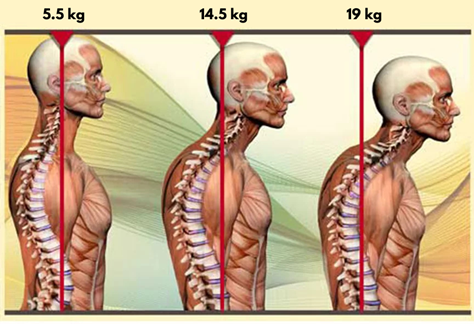
Long hours on screens often push the head forward, away from its natural position over the shoulders.
Even moving your head a few inches forward dramatically increases the load on the cervical spine. The muscles, discs, and joints of the neck must work much harder to hold you up.
Your neck depends on nearby muscles for support. When the deep neck flexors and upper-back muscles are weak, larger surface muscles try to compensate. This leads to fatigue, tightness, and discomfort.
Many people unknowingly overuse their upper traps while underusing the deep stabilizers close to the spine. Over time, this imbalance pulls the head forward.
Your sleeping posture has a major impact on alignment. A pillow that is too flat, too high, or not supportive enough can keep your neck in a bad angle for hours.
Sleeping on your stomach is especially stressful because it forces the neck into rotation. Proper support at night helps your body recover instead of reinforcing the problem.
Physical therapists agree: improvement comes from daily action. Strengthen weak areas, stretch tight tissues, and use tools that guide your body into better alignment.
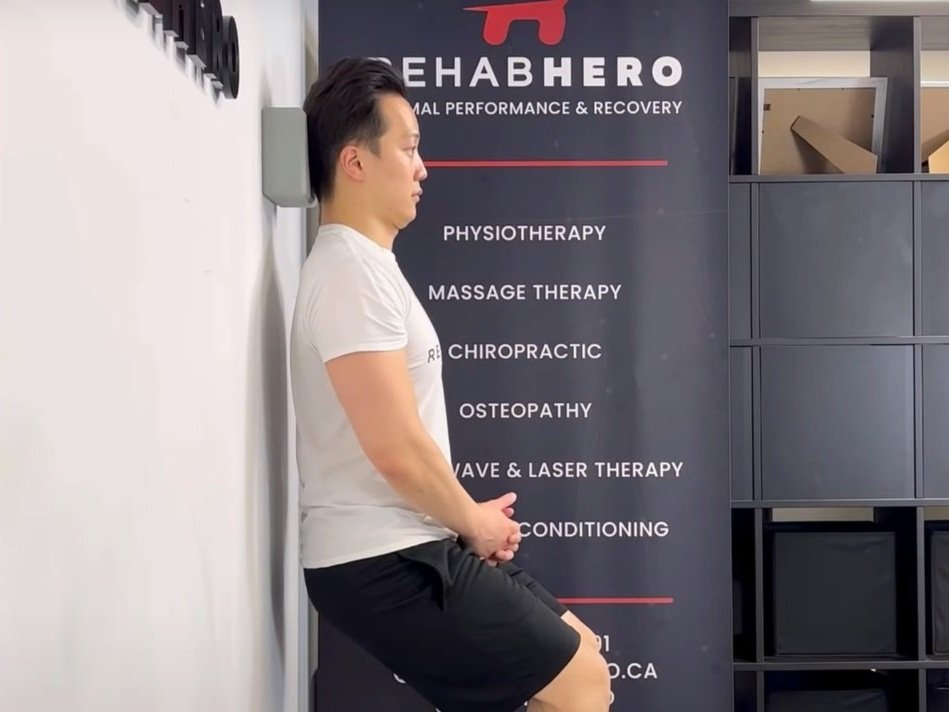
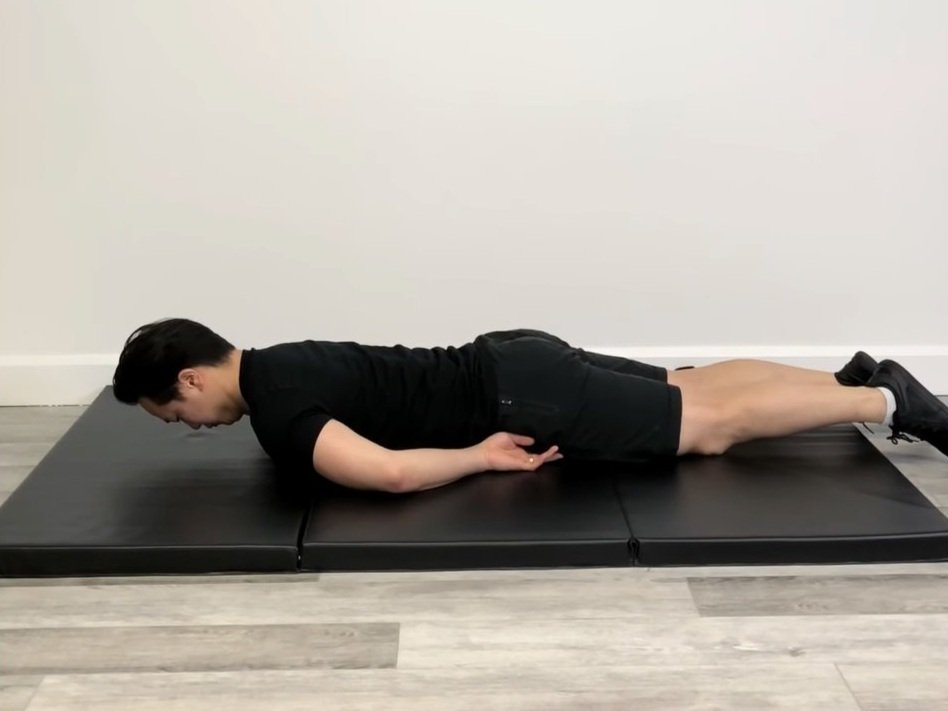

These small muscles at the front of the neck help keep your head from drifting forward.
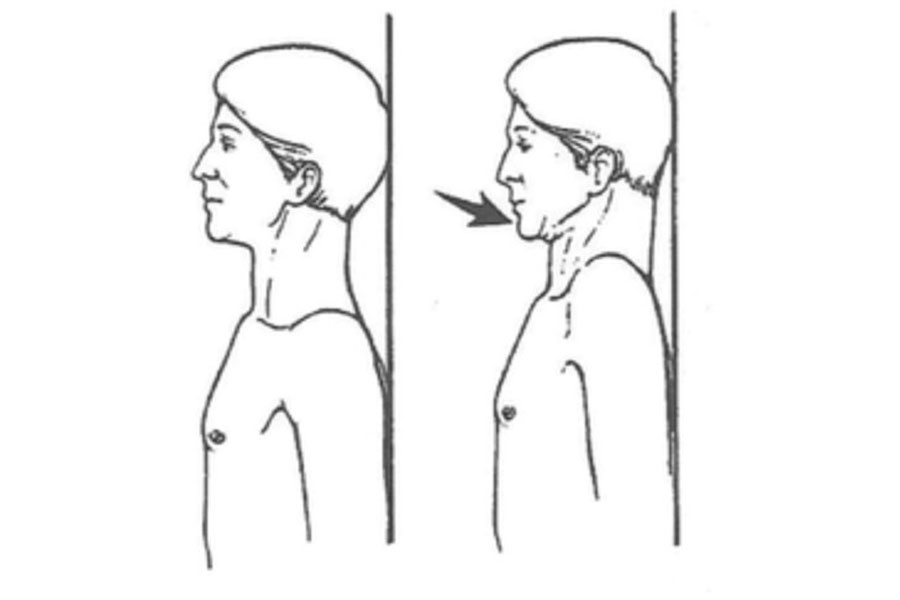
Try chin tucks:
Keep your eyes level and gently pull your head straight back, as if making a double chin. Feel your neck lengthen. Hold for a few seconds, relax, and repeat.
Practicing daily builds endurance where it matters most.
You can’t fix what you don’t notice. Check in with yourself throughout the day:
Are your ears stacked over your shoulders?
Is your chin level?
Is your chest open?
Phone reminders or posture apps can help turn these quick checks into habits.
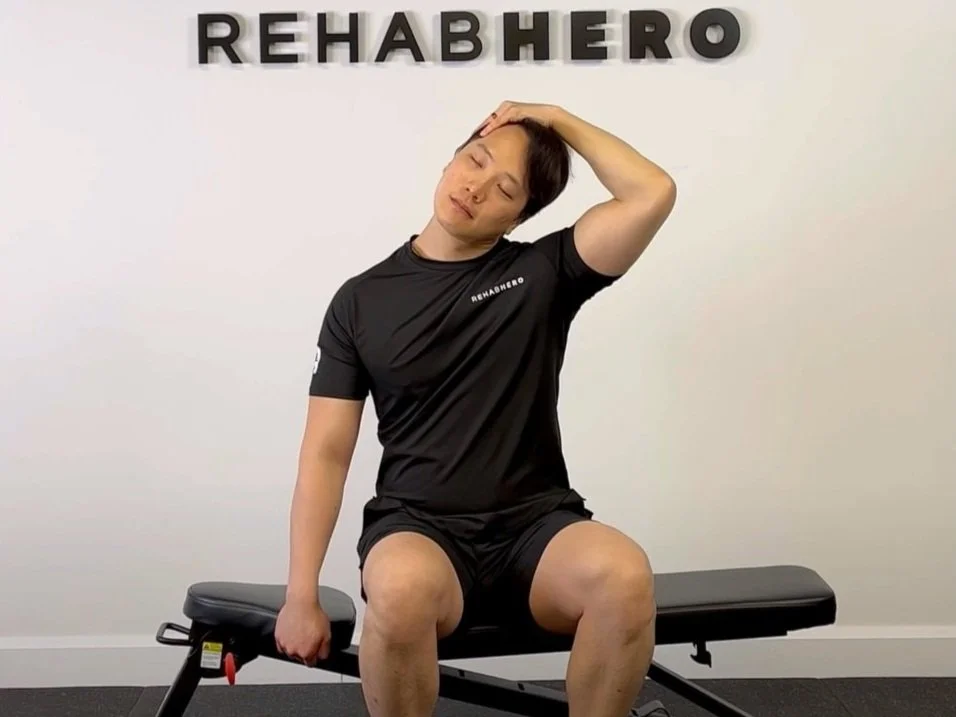
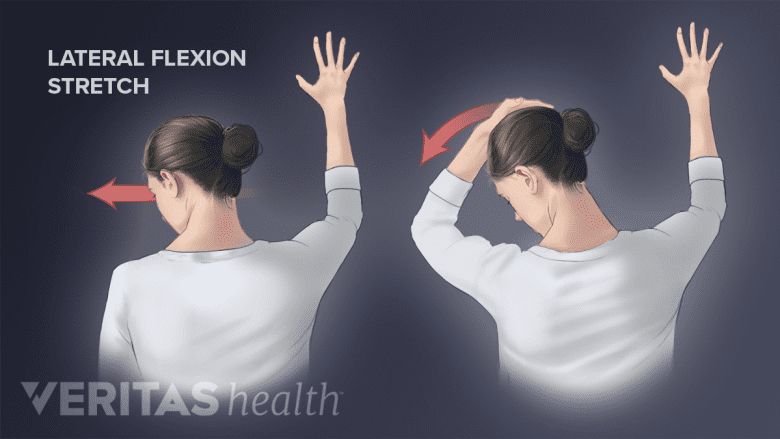
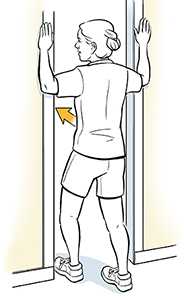

Tight muscles in the chest and shoulders pull the head forward. Daily stretching restores balance.
Focus on:
upper trapezius
chest muscles
levator scapulae
Tip: stretch after light movement or a warm shower for better results.


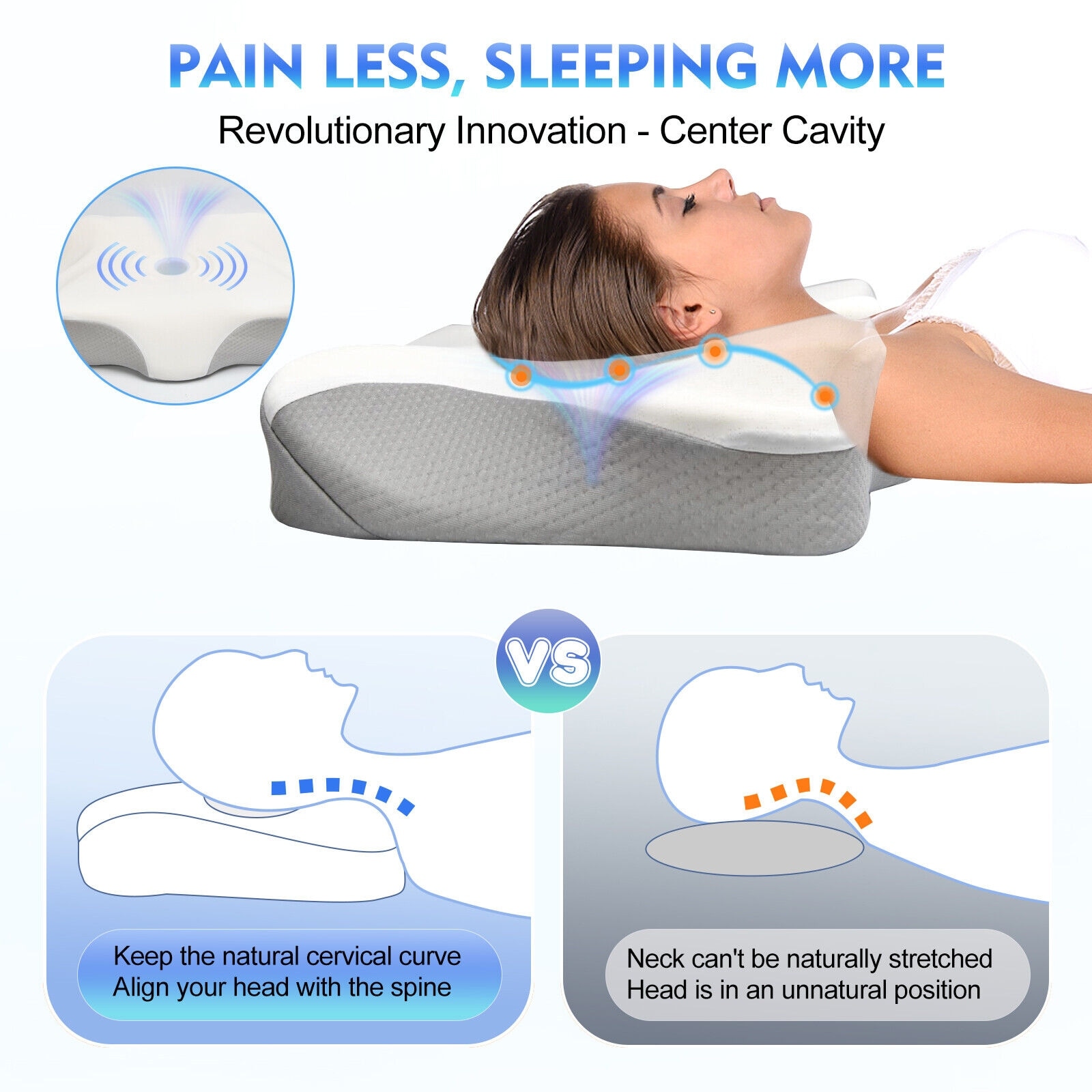

Regular pillows often collapse or push the neck into awkward angles.
A cervical contour pillow is shaped to match the natural curve of your neck. By keeping your head aligned with your spine, it can reduce joint stress, decrease morning pain, and make good posture easier during the day.


Posture tools can remind your body to stay upright without forcing your muscles to work alone.
Wearing one for short periods helps reset alignment and reduces stress on the neck, especially during desk work or walking.
Looking down at devices for long periods trains your body into a forward position.
Every 30 minutes:
stand up
roll your shoulders
gently move your neck
Small resets keep muscles active and prevent stiffness from building.
Many people notice improvement within two to four weeks. The real secret is daily repetition.
If your posture has been off for years, change may take longer — and that’s normal. Even small wins, like sitting taller, create meaningful progress over time.
Stay patient and focus on consistency.
You don’t need a dramatic overhaul. A few repeatable actions each day can retrain your muscles and reduce tension.
Start simple:
morning stretch
posture check during screen time
supportive sleep setup
As these become routine, holding good posture starts to feel natural.
Yes. With strengthening, stretching, and better daily habits, most people can significantly improve their alignment. Over time, your body begins to hold the new posture automatically.
In many cases, yes. Combine deep neck strengthening, chest stretching, and better desk or phone ergonomics. Consistency is key.
Usually not. Without support, the neck often bends too far. A properly shaped cervical pillow is typically a better long-term solution.
Common signs include ears sitting in front of the shoulders, frequent stiffness, tension headaches, or pain between the shoulder blades. A physical therapist can provide a detailed assessment if needed.

